Most business brokers
stop at the business.
For an owner-operator the building is usually the second largest asset in the deal, and it routinely gets handed to a commercial broker who has never spoken to the person selling the company. Two brokers, two timelines, two sets of assumptions about the same lease. We are licensed and experienced on both sides, so the building and the business get modeled as one transaction.
Commercial and business brokerage under one roof, so it is one conversation instead of two.
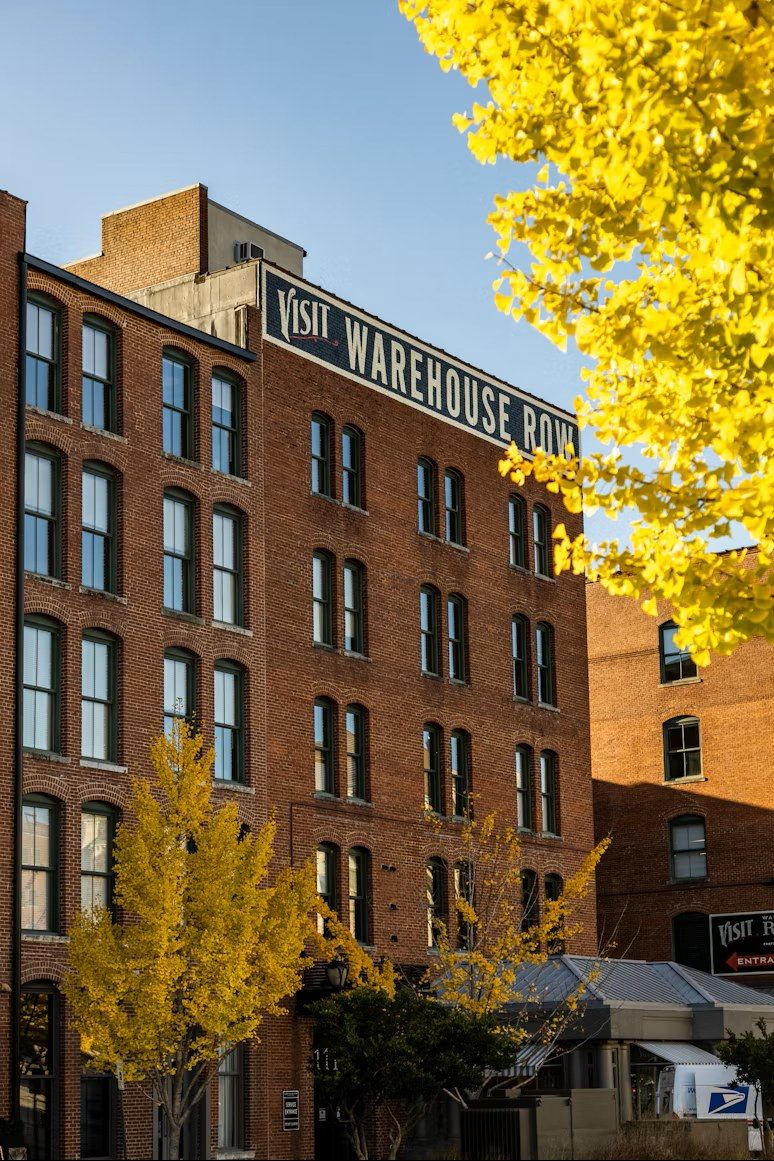
Three ways to handle
the building.
None of these is automatically right. They produce different amounts of cash at closing, different tax treatment, and very different versions of your next three years. The mistake is arriving at one by default because nobody raised it early enough.
Sell them together
One buyer takes the company and the building in a single transaction. Cleanest exit, one closing, one negotiation, and nothing left to manage afterwards. It also widens the buyer's financing options, because real estate in an SBA deal can stretch the amortization and lower the monthly payment.
Hold it and lease it back
You sell the company and keep the building, with the new owner as your tenant. It converts an operating business into an income stream, secured by a business whose numbers you know better than any other landlord would. For owners who want to stop working without stopping earning, this is often the answer.
Separate them entirely
The company sells to an operator and the building sells to an investor. The person who wants to run a fabrication shop and the person who wants a net-leased industrial asset are rarely the same person, and marketing to both separately can produce more total value than asking one buyer to be both.
Which one wins is driven by your tax position, your appetite for being a landlord, and how quickly you want to be finished. It is a conversation to have with your CPA before a letter of intent exists, because after the LOI the allocation is already being argued over.
Commercial value comes
from income, not comps.
A house is worth what the house down the street sold for. A commercial building is worth what it earns, divided by what the market currently pays for that kind of earnings. Net operating income over capitalization rate, adjusted for lease quality, tenant credit and how much of the operating expense actually sticks to the owner.
For an owner-occupied building there is no rent roll yet, so the first job is establishing what the property would rent for on the open market. That number sets the value, and it also sets the lease you would sign in a sale-leaseback, which means it quietly decides how much you get in either direction.
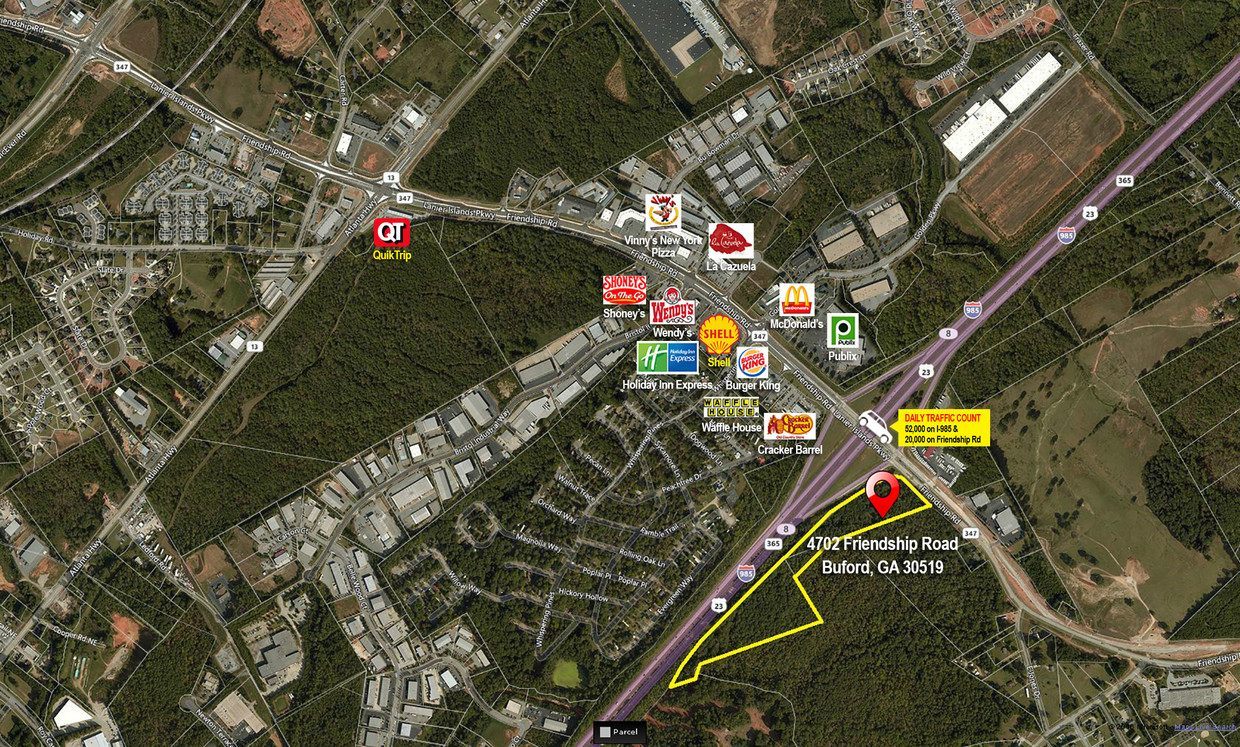
4702 Friendship Road
Buford, Georgia
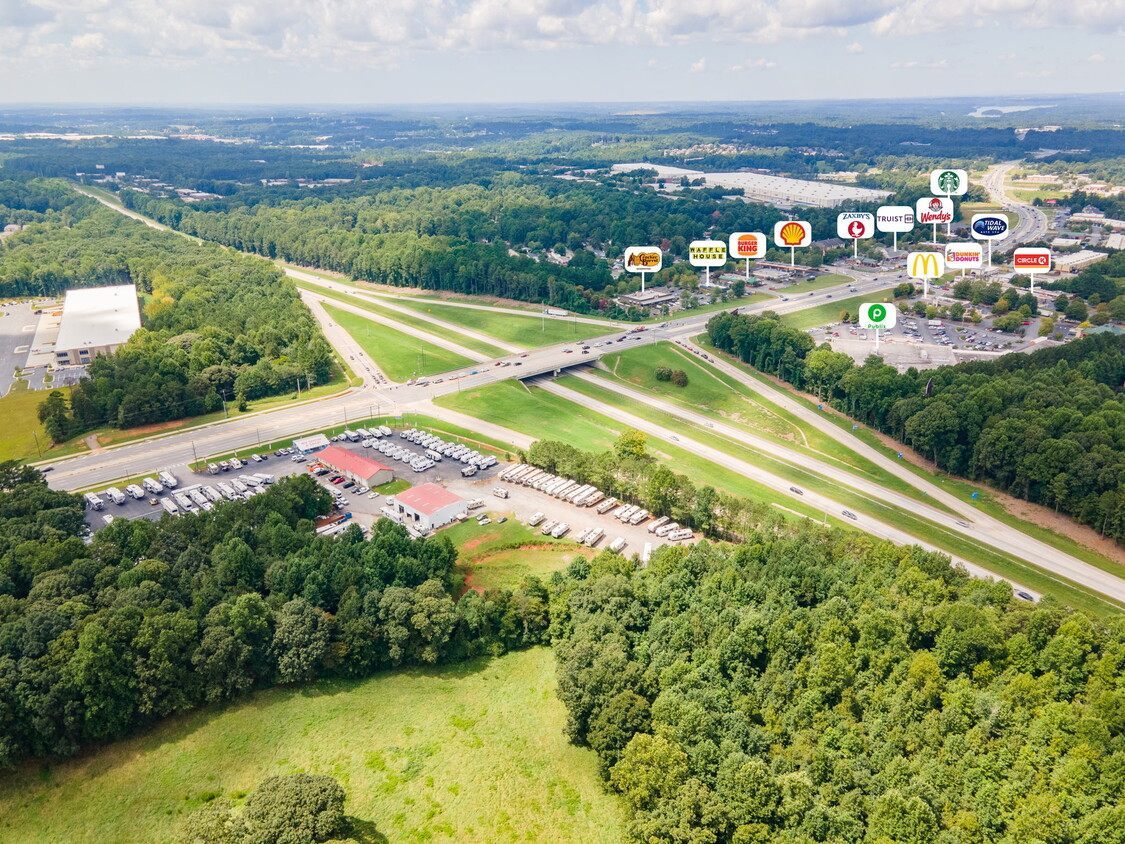
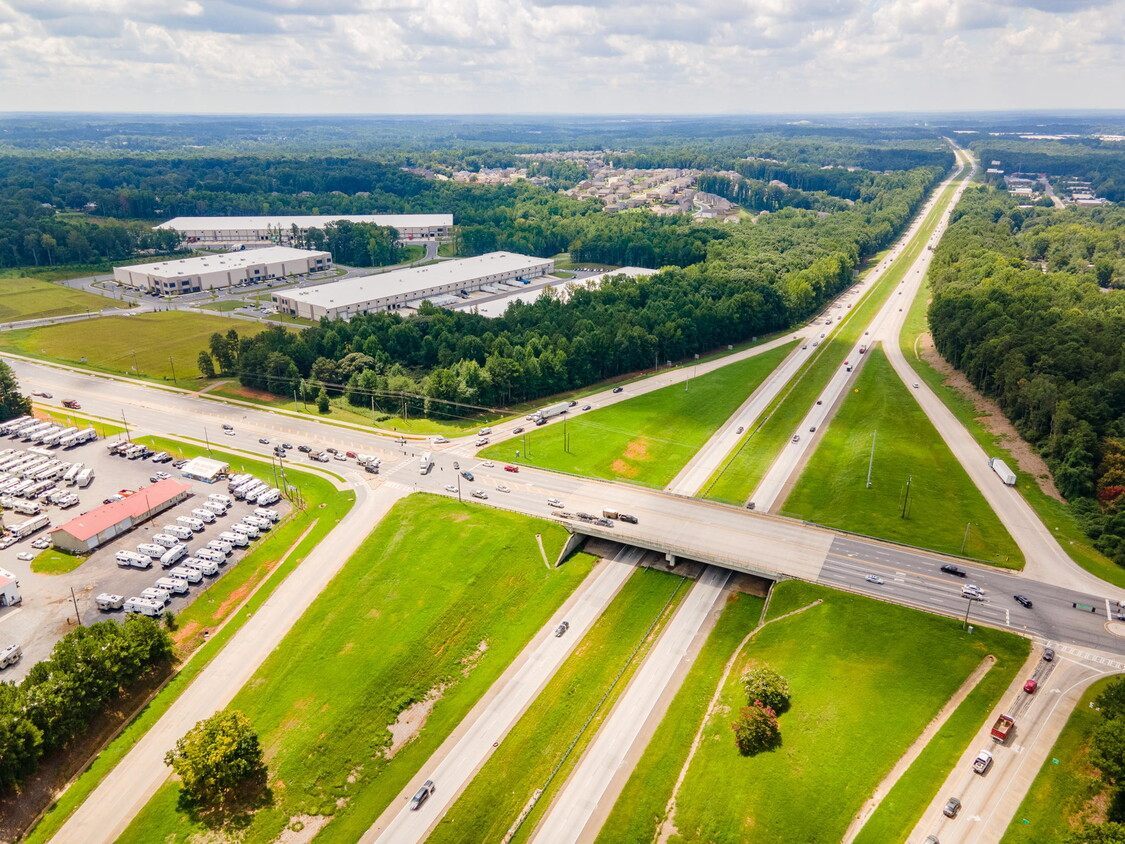
Eighteen and a half acres of raw land at the corner of I-985 and Friendship Road, zoned C-II, assembled across three parcels and taken to market as a development site.
Raw land development is not a building with a tenant in it. There is no rent roll to analyse, no income to capitalize and no comparable down the street. Value comes from what can be entitled and built, which means zoning, access, utilities, topography and traffic counts carry the entire argument. It is materially harder than the overwhelming majority of commercial transactions any agent will handle in a career, and most never handle one at all.
The case was the traffic already passing it: 52,000 vehicles a day on I-985 and 20,000 on Friendship Road, the Friendship Distribution Center next door at over 649,000 square feet, and a Publix-anchored center already trading in the neighbourhood. Marketed under an exclusive offering memorandum to regional developers and investors rather than posted and waited on. We got it to the closing table.
Beyond the building
attached to a business.
The work above is the reason this practice exists, but it is not the limit of it. We represent buyers and sellers across the commercial categories, with the most depth in Atlanta and Chattanooga. Being part of eXp Commercial means a deal outside that footprint does not become somebody else's referral: we can work transactions in all fifty states with local partners inside the same brokerage.
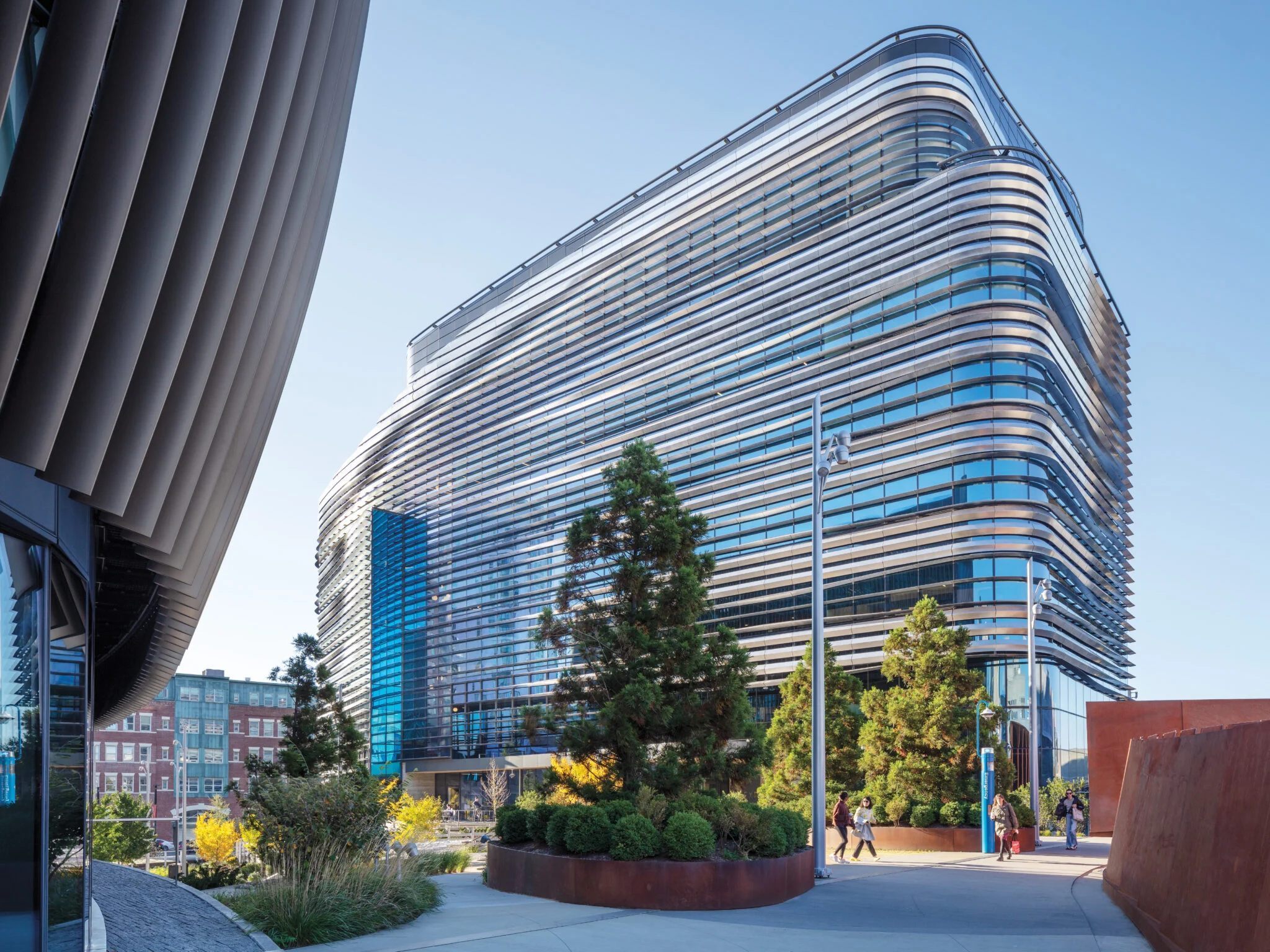
Warehouse, distribution, flex
The category most of our business clients occupy. Clear height, dock doors, power and yard matter more to value here than finish quality does.
The building you work from
Valued on what it would earn rather than what it earns today, which is a distinction that decides the number.
Retail, office, multifamily
Stabilized assets throwing off cash, value-add requiring repositioning, and single-tenant net lease. Each underwrites differently.
Rent rolls and estoppels, three years of operating statements, environmental assessment, property condition report, title and survey, zoning verification, and lease assignment where an operating business is moving with the building. Ordered on a schedule that fits the contingency dates rather than discovered against them.
Yes, you can 1031
out of this.
A 1031 exchange defers capital gains on the real estate when the proceeds go into like-kind property inside the statutory deadlines. We run the conventional route, and we can also open a second one that most brokerages cannot: deeded mineral and royalty interests, through a colleague who does nothing else.
Replacement real estate: identify inside 45 days, close inside 180. Well understood, well supported, and when there is a property you actually want and the numbers line up, it is the right answer and we will run it.
Its one structural constraint is sizing. Buildings come in the sizes they come in, so if the replacement lands short of your proceeds you pay tax on the difference, and if you reach for something larger you have taken on debt and a management obligation to avoid that.
Deeded mineral and royalty rights are real property interests and qualify as like-kind. What makes them useful alongside the conventional route is granularity: unlike a building they can be acquired in almost any increment, so an exchange can be matched to your proceeds close to the dollar.
Some sellers use them for the entire exchange. More often they are the piece that absorbs whatever a replacement property could not, which turns a partial deferral into a complete one.

Thomas specialises in 1031 exchanges into deeded mineral and royalty rights, with a focus on the Permian Basin in West Texas. He is inside the same brokerage, so this is a colleague rather than a referral out. When an exchange needs to be sized precisely, or a replacement property leaves a remainder behind, he is the call.
Nothing here is tax advice. Exchange deadlines are strict and unforgiving, a 1031 covers the real property only and not the goodwill or equipment in a business sale, and the allocation between them has to be right. Have this conversation with your CPA and a qualified intermediary before the letter of intent is signed.
What owners ask
about the building.
Should I sell the building with the business?
It depends on what you want afterwards, and it should be a decision rather than a default. Selling both together gives you one closing, one negotiation and a clean exit. Holding the building and leasing it back to the buyer turns you into a landlord with an income stream and a tenant whose business you know better than anyone. Separating them entirely widens the buyer pool for each, because the person who wants your company and the person who wants your building are usually not the same person. The right answer is driven by your tax position and what you want your life to look like in three years, not by which is easier to sell.
Does including the real estate help the buyer get financing?
Often, yes. On an SBA 7(a) acquisition, real estate in the deal can extend the amortization well beyond the ten years a business-only note typically carries. A longer term means a lower monthly payment, which improves debt service coverage, which is the number the lender actually underwrites. A building that looks like it makes the deal more expensive can make it more financeable.
How is commercial property valued differently from a house?
Commercial value is driven by income, not by what the building next door sold for. Net operating income divided by the market capitalization rate sets the value, so a property with stronger leases and lower operating expenses is worth more than an identical building beside it. Cap rates vary by property type, by market and by submarket, which is why local knowledge matters more here than in residential. For an owner-occupied building there is no rent roll to analyse yet, so the first step is establishing what the market rent would be if it were leased.
What is a sale-leaseback and when does it make sense?
You sell the building to an investor and simultaneously sign a lease to keep operating from it. It converts equity that is sitting in the walls into cash without interrupting the business. For an owner planning to sell the company in a few years it can be a way to take money off the table early. The trade is that you have created a lease obligation that a future buyer of the business inherits, and the terms of that lease will be read closely during their diligence.
Do I have to buy another building to use a 1031?
Not necessarily. Replacement real estate is the conventional route and often the right one. But like-kind is broader than "another property of the same type," and deeded mineral and royalty interests also qualify, which gives you a second option that can be sized to your proceeds almost exactly. The two are not mutually exclusive and are frequently combined. See the section above, and have the conversation with your CPA and a qualified intermediary before the letter of intent is signed.
Decide it early,
not at the closing table.
Bring the building into the first conversation about selling the business. Forty minutes is enough to see what each of the three paths is worth to you, and which one your tax position actually favours.